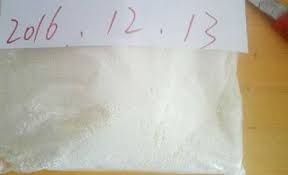
5C-AKB48 2000G
Purpose
The purpose of the present study was to evaluate the cytotoxicity of five synthetic cannabinoids in two cell lines, for which both reference standards and herbal blends were available.
Methods
An in-house smoking device was developed to produce smoke condensates. The cell viability of reference standards, herbal blend extracts and smoke condensates was measured using an MTT assay in the A549 lung carcinoma cell line and the TR146 buccal carcinoma cell line. Damiana extracts and damiana smoke condensates were also tested for cytotoxicity.
As a result, the reference standards of 5F-MDMB-PINACA, ADB-CHMINACA and MDMB-CHMICA, is a significant concentration-dependent decrease in cell viability was observed. ADB-CHMINACA and MDMB-CHMICA extracts were more potent than the damiana extract, whereas the NM-2201 blend extract abrogated the effects of the damiana leaves. Compared with damiana smoke condensate, MDMB-CHMICA smoke condensate had higher sensitivity, while ADB-CHMINACA smoke condensate was less potent.
Conclusively, this is the first study to investigate the comparative cytotoxicity of reference standards, herbal blend extracts and smoke condensates of synthetic cannabinoids. The data showed that the presence of damiana plant contributed to enhancing the cytotoxicity of 5C-AKB48, 5F-MDMB-PINACA, and MDMB-CHMICA. The plant effects were generally more marked for smoke condensates.
MDMB-CHMICA was the most potent substance. The NM-2201 reference standard and extract led to an increase in cell viability as compared to the control. This is of special interest, because the NM-2201 herbal blend extract seemed to abrogate the effects of the damiana leaf extracts. Further studies would be necessary to assess potential procarcinogenic or tumorigenic effects of NM-2201.